







Search Results for: Brazilian coffee exports
Brazil Adjusts PIS-Cofins Tax Credit Rules, Coffee and Other Agricultural Exports Under Pressure, Global Prices May Rise Further
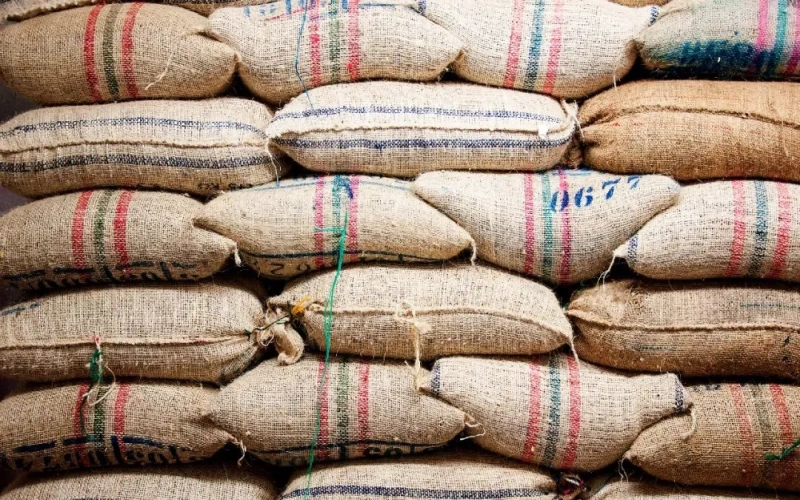
The Brazilian government recently submitted an executive order to Congress aimed at tightening the rules for the use of federal PIS-Cofins tax credits, with the goal of closing tax loopholes across multiple industries and supporting the objective of eliminating the fiscal deficit this year. However, this move has met strong opposition from the agricultural sector, with exporters of coffee, meat, fruit, grains and other products expected to see revenues fall by 26.3 billion reais. The Brazilian Coffee Exporters Council pointed out that the new rules will increase corporate cash flow pressure and operating costs, potentially triggering food inflation and unemployment, and weakening the international competitiveness of Brazilian coffee. Meanwhile, severe weather in Vietnam has led to reduced production and already pushed up coffee futures prices, and a slowdown in Brazilian exports could further fuel the rally. Notably, Luckin Coffee has signed a memorandum of cooperation with the Brazilian side, planning to purchase about 120,000 tons of coffee beans over the next two years, which brings good news for Brazilian exports. Front Street Coffee reminds enthusiasts to pay attention to the impact of policy changes on the coffee market. [more…]
Brazil’s Coffee Exports Rose Nearly 50% in July, but Port Delays Caused $300 Million in Losses
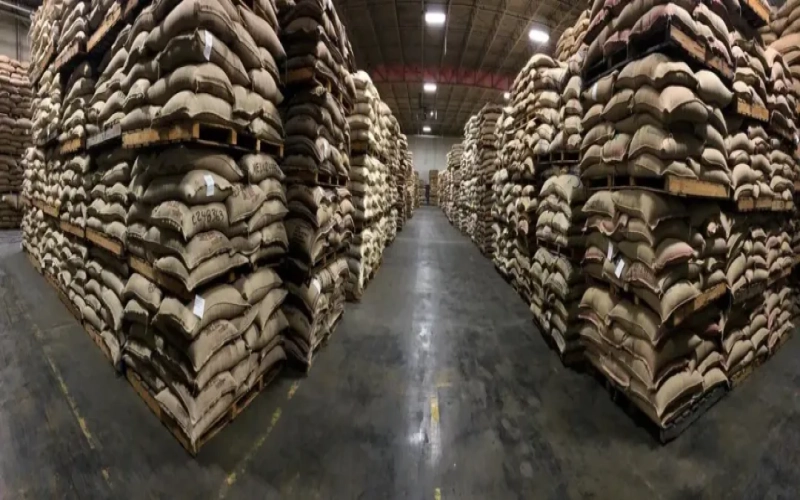
The July report from the Brazilian Coffee Exporters Council (Cecafe) shows that coffee exports for the month reached 3.774 million bags, up 25.7% year-on-year, with foreign exchange revenue of US$932.5 million, an increase of 47.9%, with robusta performing especially strongly. In the first seven months of 2024, cumulative exports reached 2.8146 million bags, up 46.3% year-on-year. However, major ports such as Santos continued to face congestion, and 1.262 million bags of coffee were not shipped in July, causing losses of about US$313 million, while traders' additional costs totaled 7.456 million reais. Severe weather further exacerbated the delays, posing a threat to the international reputation and long-term development of Brazilian coffee. [more…]
Brazilian coffee traders caught in a 181 million credit crunch, squeezed by both the depreciating real and soaring prices
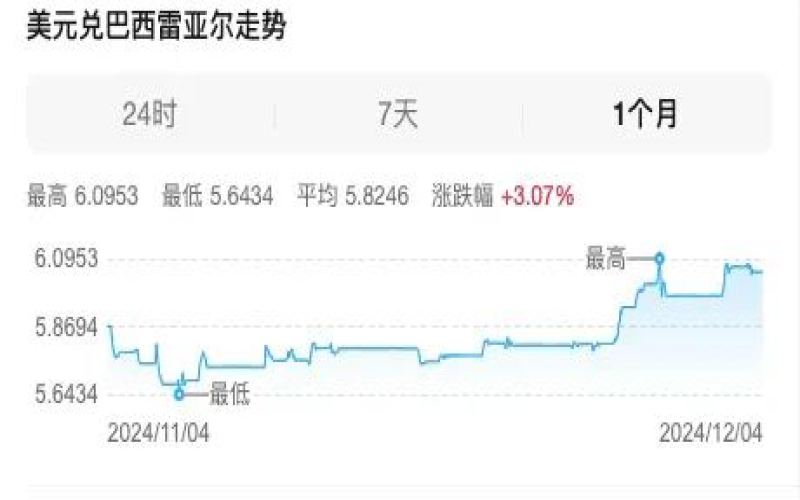
The continued weakening of the Brazilian real, combined with rising arabica futures, shipping disruptions, and drought-driven crop losses, is putting unprecedented pressure on the country's coffee export chain. Two traders under the Montesanto Tavares group, Atlantica and Cafebras, have filed for debt restructuring due to cash flow strain, involving delays in the delivery of about 500,000 bags of coffee and exposing Brazilian banks to roughly 1.1 billion reais in credit risk. Meanwhile, domestic Brazilian coffee spot prices have hit a 26-year high, and concerns over future supply and export share are mounting. [more…]
Brazilian coffee exports hit by a double whammy: port delays cause $290 million in losses, while high temperatures and drought continue to threaten production.
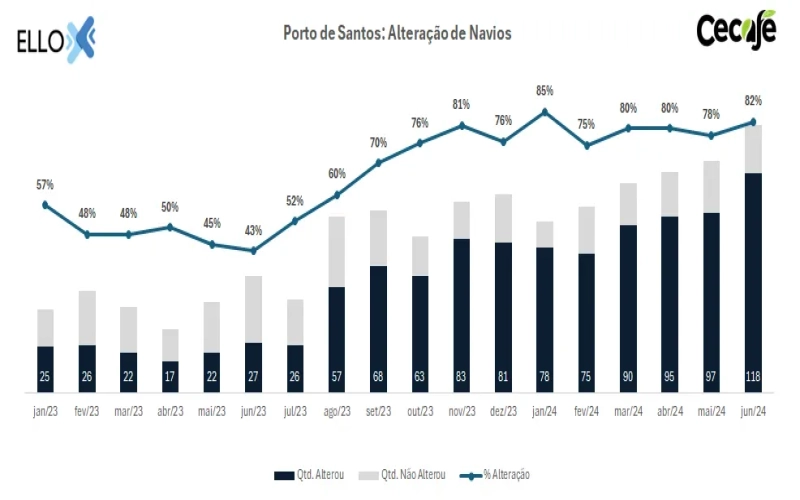
The Brazilian coffee industry is currently facing severe challenges. According to the latest report from the Brazilian Coffee Exporters Council, the delay rate at major ports reached 62% in June, leaving 1.23 million bags of coffee unable to be exported on schedule and causing foreign exchange losses of approximately US$290 million. The delay rate at the Port of Santos climbed to a record high of 82%. At the same time, persistent high temperatures and drought are affecting core producing regions such as Minas Gerais, and harvested coffee beans are showing undersized defects, with production expected to be revised down by 2 to 3 million bags. In addition, the dengue fever outbreak has exacerbated labor shortages, further weighing on exports. Front Street Coffee continues to monitor developments in Brazilian producing regions and brings you the latest industry analysis. [more…]
Brazilian Coffee Exports Hit New High Again, Tax Policy Adjustments May Become a Future Concern
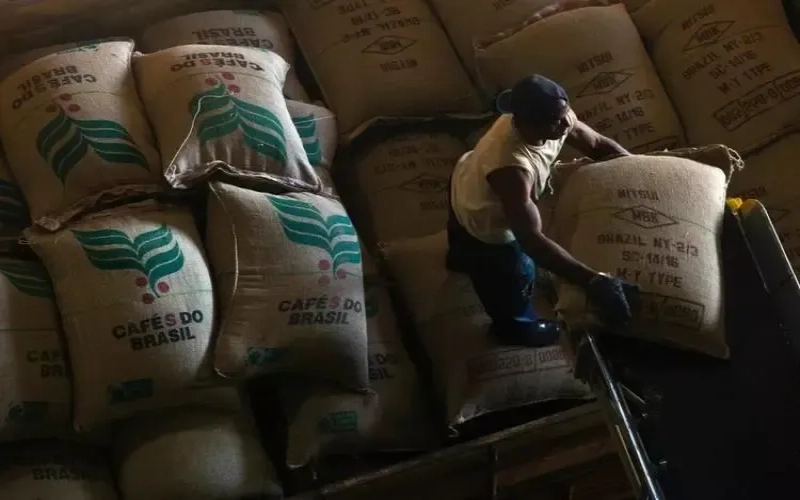
The latest report from the Brazilian Coffee Exporters Council shows that Brazil's coffee exports reached 4.397 million bags in May, setting a new record for the month, with a year-on-year increase of nearly 80%, and foreign exchange earnings also hitting a historic high. Cumulative exports in the first 11 months of the 2023/24 harvest year have approached a historic peak, and this year is expected to break the cycle record. The surge in robusta coffee exports has become a highlight, but the La Niña phenomenon in the second half of the year may bring the threat of drought, and coupled with the Brazilian government's new rules tightening tax credits, this may put pressure on the cash flow and global competitiveness of exporting companies. [more…]
Brazilian Coffee Bean Varieties Analysis, Famous Estates Overview, and Front Street Brand Single-Origin Recommendations Guide
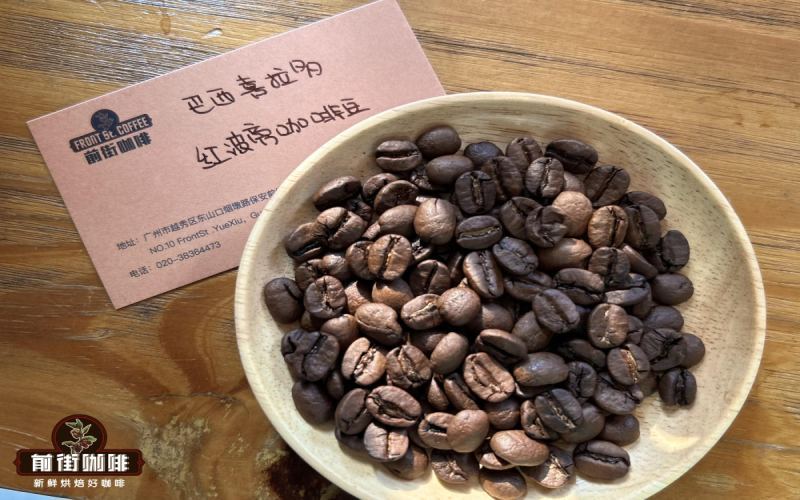
As the world's number one producer of coffee, Brazil is known for offering excellent value, capable of serving as the base for espresso blends or standing alone as a pour-over with balanced flavors. This article will systematically review the history of Brazilian coffee variety improvement, the distribution of major producing regions, differences in processing methods, and the export grading system. It will also introduce two representative products—Front Street Queen Estate and Front Street Dark Cocoa Blend—while providing in-depth analysis of the flavor characteristics of classic origins such as Santos and Cerrado, helping coffee enthusiasts gain a comprehensive understanding of this South American coffee giant. [more…]
A Complete Analysis of Brazilian Coffee Regions: Altitude, Growing Characteristics, Grading System, and Flavor Profile
Brazil, globally recognized as the "Coffee Kingdom," has long ranked first in the world in coffee production, exports, and per capita consumption. This article starts with the basic definition of Brazilian coffee beans, detailing their flavor characteristics of large beans, rich taste, low acidity, and smooth, sweet drinkability. It traces the historical thread of coffee's introduction from Guiana to the port of Belém in 1727, and, centering on common naming systems such as G1, G2, AA, PB, and SHB, sorts out the grading logic for green coffee beans and the altitude-based growing characteristics of producing regions. Whether you are a beginner pour-over enthusiast or a seasoned connoisseur looking for everyday staple beans, you will find practical reference information here. Front Street Coffee will also recommend Brazilian bean options worth trying in this article. [more…]
A major strike by Brazilian tax officials has affected major ports, hindering customs clearance for coffee exports, and prices may rise slightly.
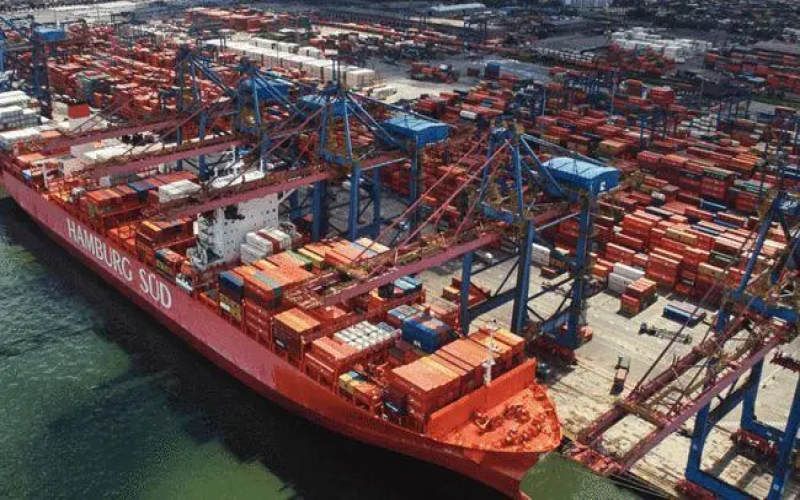
Tax auditors from Brazil's Federal Revenue Service launched a strike from January 22 to 26, affecting major import and export channels including the Port of Santos and Guarulhos International Airport. During the strike, only perishable, fresh, dangerous goods, and pharmaceuticals and foodstuffs can obtain customs clearance; green coffee beans, as a primary agricultural food product, are not included in the release list and will be temporarily detained. The Port of Santos is expected to be unable to process 6,500 import declarations and 4,000 export declarations, and the port had already been experiencing severe congestion due to aging equipment, lagging management, and insufficient manpower, with 76% of vessels delayed in December. Combined with the impact of the Red Sea situation, coffee prices may continue to edge upward in the short term. This article will outline the scope of the strike, the affected goods, and the chain reaction in the market, and includes Front Street Coffee-related recommendations. [more…]
Brazilian Coffee Spot Prices Hit 26-Year High, Port Delays Cause Nearly $490 Million in Losses
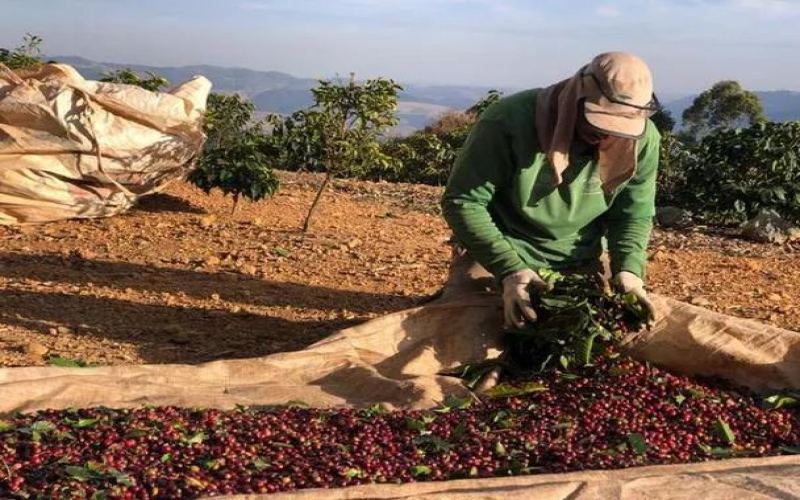
Recently, spot prices for Brazilian Arabica coffee soared to a 26-year high, reaching 1,805.68 reais per 60-kg bag, a monthly increase of 18.3%. Declining inventories, downward revisions to production forecasts, unstable weather, and exchange rate fluctuations jointly pushed prices higher. At the same time, severe delays at the Port of Santos and the Port of Rio de Janeiro left 1.717 million bags of coffee stranded, causing foreign exchange losses of approximately US$489.72 million, while exporters also bore high demurrage costs. Robusta coffee prices also rose slightly. This article provides a detailed analysis of the current price trends, weather impacts, port difficulties, and exchange rate pressures in the Brazilian coffee market. [more…]

Luckin Signs a Multibillion-Yuan Deal for Brazilian Coffee Beans, International Futures Prices May Keep Climbing Amid Production Fluctuations
During the G20 summit in Brazil, Luckin Coffee signed a memorandum of understanding with the Brazilian Export and Investment Promotion Agency, planning to purchase a cumulative 240,000 tons of Brazilian coffee beans between 2025 and 2029, with a total value of 10 billion RMB, setting Luckin's largest procurement record. At the same time, Brazil's coffee industry is facing production uncertainty brought by extreme weather: although the current sales pace has accelerated and exports have hit a record high, drought and fires have already damaged the new crop season, multiple institutions have lowered production expectations, and international coffee futures prices have continued to climb. This article will outline the key points of the agreement, Brazil's sales dynamics, and the impact of weather on the supply and demand landscape. [more…]
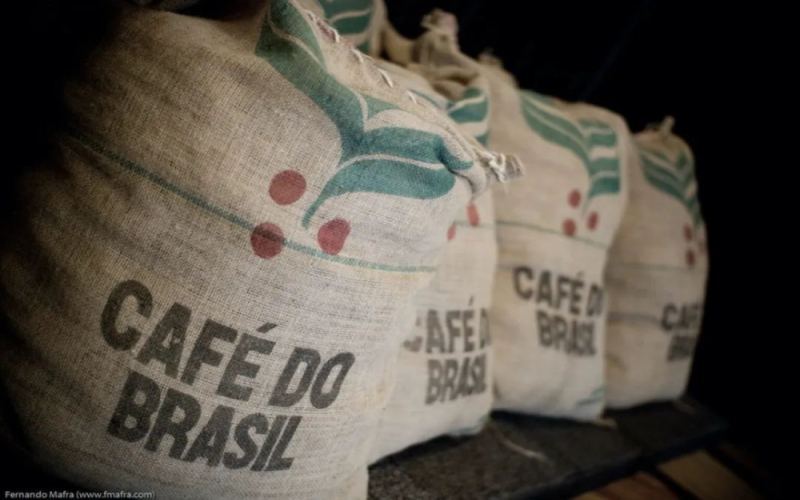
Brazil's coffee exports set a new single-month record in October—what lies ahead amid the dual challenges of logistics and climate?
The latest report from the Brazilian Coffee Exporters Council shows that although about 2.1 million bags of coffee beans were stranded at ports due to logistics problems at the end of September, Brazil's coffee exports in October still bucked the trend to hit a monthly record high of 4.926 million bags, up 11.6% year on year, with total export value reaching US$1.393 billion. Germany became the largest importer of Brazilian coffee beans in the first 10 months of this year, importing 6.64 million bags in total, accounting for 23.9%. However, multiple factors such as port congestion, ship delays, historic drought and forest fires, and the depreciation of the real are still constraining the subsequent development of Brazil's coffee industry, and the production and export prospects for the new crop season face uncertainty. [more…]
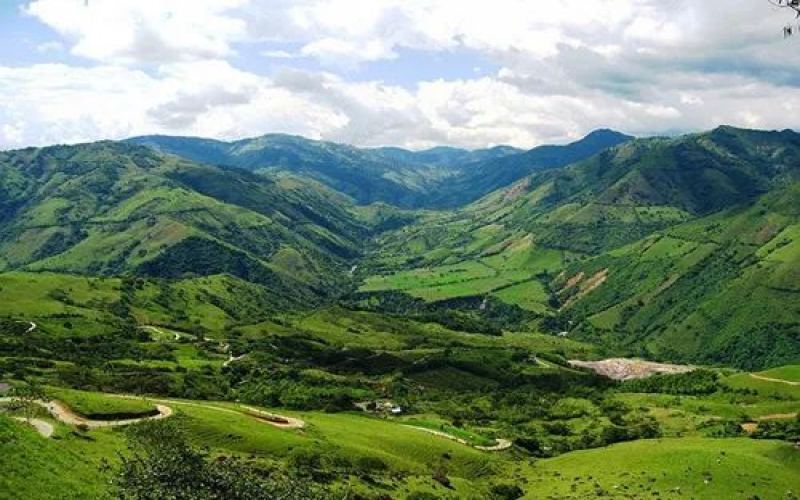
Brazil Launches Cafes do Brasil Traceability Platform in Response to the EU's New Deforestation-Free Import Rules
In response to the strict requirements of the EU Deforestation Regulation (EUDR), the Brazilian Coffee Exporters Council (Cecafe) and the credit company Serasa Experian have jointly launched the Cafes do Brasil platform and held a seminar in São Paulo to help exporters master traceability tools. The platform uses remote sensing technology and geolocation data to dynamically analyze ESG indicators such as forest protection, agricultural cultivation, and deforestation alerts in production areas, ensuring full traceability throughout the coffee supply chain. Among the approximately 100 participants, 41 council members are responsible for about 90% of Brazil's coffee shipments to the EU, and their compliance practices will significantly enhance the transparency and international reputation of Brazilian coffee. [more…]
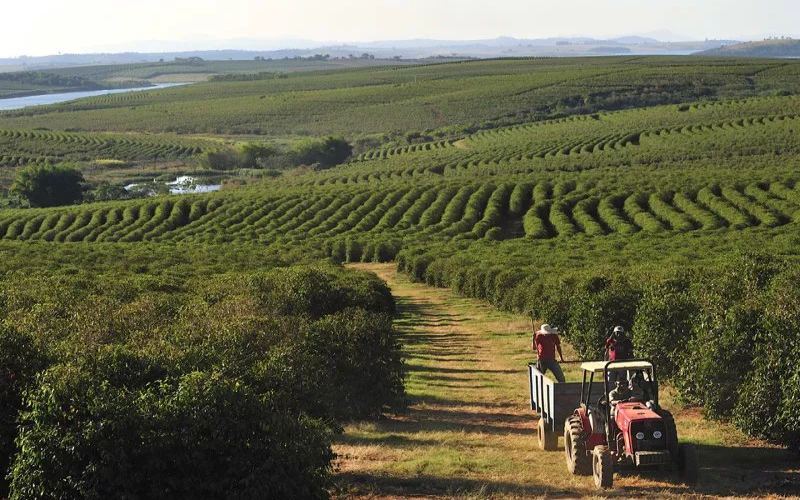
A Complete Guide to Brazilian Coffee Regions and Varieties: From Red and Yellow Bourbon to Pour-Over and SOE Extraction
Brazil, as the world champion in both coffee production and exports, supplies one-third of the world's total coffee exports, and its nutty, cocoa-like profile and full-bodied taste have long been firmly established in people's minds. But is Brazilian coffee really just middling in flavor? From the legendary introduction of a single seed in 1727, to the terroir differences among the three major specialty regions of Sul de Minas, Cerrado, and Mogiana, and then to the varietal characteristics of Red Bourbon and Yellow Bourbon, this article takes you through a systematic overview of the complete picture of Brazilian coffee. Front Street Coffee further uses two beans—Cerrado Red Bourbon and Queen's Farm Yellow Bourbon—as examples to share pour-over parameters and SOE extraction plans, helping you understand Brazilian coffee's balance and sweetness comprehensively, from origin to cup. [more…]
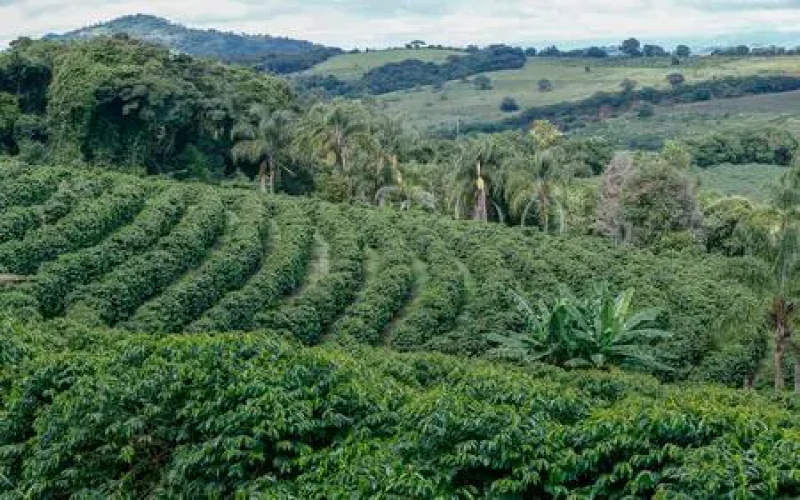
Brazil's coffee exports in February climbed nearly 50% year-on-year, with robusta particularly standing out
The latest report from the Brazil Coffee Exporters Council shows that despite ongoing vessel delays at major ports such as Santos, Brazil's coffee exports in February achieved a year-on-year increase of nearly 50%, with robusta coffee setting a historic record. Cumulative shipments over the first two months grew by more than 40%, with foreign exchange earnings rising in tandem. Meanwhile, China, as an emerging partner, saw its imports surge by 158.8%, offering new possibilities for Brazil's future coffee supply. This article will review the export data, the current port situation, and key changes in the international competitive landscape. [more…]
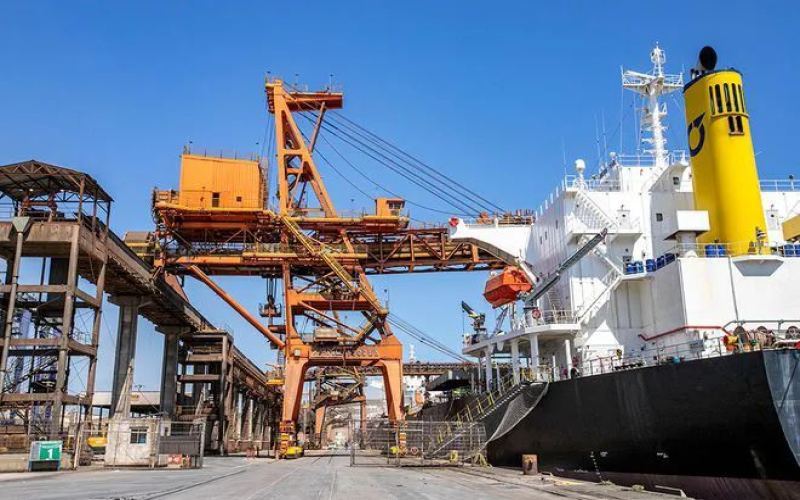
A major strike at Brazilian ports leaves 2.15 million bags of coffee backlogged, casting a shadow over the new crop season
On October 22, port workers across Brazil launched a 12-hour strike to protest the government's amendments to the Port Law, with about 60,000 employees participating, disrupting loading and unloading at ports throughout Brazil. The strike comes at a critical time for coffee exports; earlier, about 2.15 million bags of coffee had already been stranded at the docks due to port delays, and the strike could make matters worse. Meanwhile, Brazil's coffee-growing regions have entered the rainy season after experiencing severe drought, but the coffee trees have been severely damaged, and production expectations for the next crop season are not optimistic. Caught between port transport and climate problems, the global coffee supply chain faces challenges. [more…]
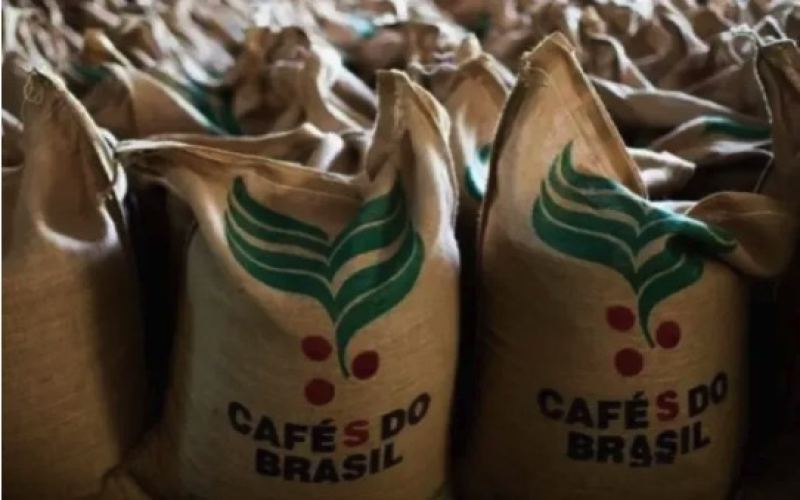
New tax policies in Brazil! Prices of agricultural products such as coffee will continue to rise.
Recently, according to local media reports in Brazil, earlier this week, the new administrative order submitted by the Brazilian government to the congress contains a new measure related to tightening tax exemptions. According to the Brazilian Minist [more…]
Analysis of Brazilian Coffee Bean Flavor Characteristics: Taste Performance, Producing Region Conditions, and Recommended Well-Known Brands
Brazil is globally recognized as the kingdom of coffee, and its coffee beans are renowned for their high volume and excellent quality, widely used in espresso blends and instant coffee production. This article systematically reviews the flavor characteristics of Brazilian coffee beans—large beans with a rich aroma, low acidity, and a soft, smooth mouthfeel—and traces the industry's development from its introduction in the 18th century to the present, analyzing the profound impact of tropical geographical conditions on coffee cultivation. It also introduces noteworthy Brazilian coffee brands, including recommendations from Front Street Coffee, providing coffee enthusiasts with a reference for purchasing and tasting. [more…]

A Complete Guide to Brazilian Coffee Flavors and the Bourbon Family Varieties: From Red and Yellow Bourbon to Catuai and Laurina
As the country with the largest export volume of green coffee beans in the world, Brazil supplies about one-third of the world's production, yet there are only a handful of Brazilian single-origin beans that the public can name. This is not because Brazilian coffee quality is poor, but because flavors within the same producing region tend to be similar, so when choosing beans you only need to pick the most representative one. In this article, Front Street Coffee reviews the historical development of Brazilian coffee and sorts out one by one the origins and flavor characteristics of varieties such as Red Bourbon, Yellow Bourbon, Pink Bourbon, Caturra, Catuai, Mundo Novo, and Laurina, while also including specific information on the shop's two products, the Brazilian producing-region everyday drinking beans and the Queen's Estate, to help coffee lovers build a complete understanding of Brazilian coffee. [more…]
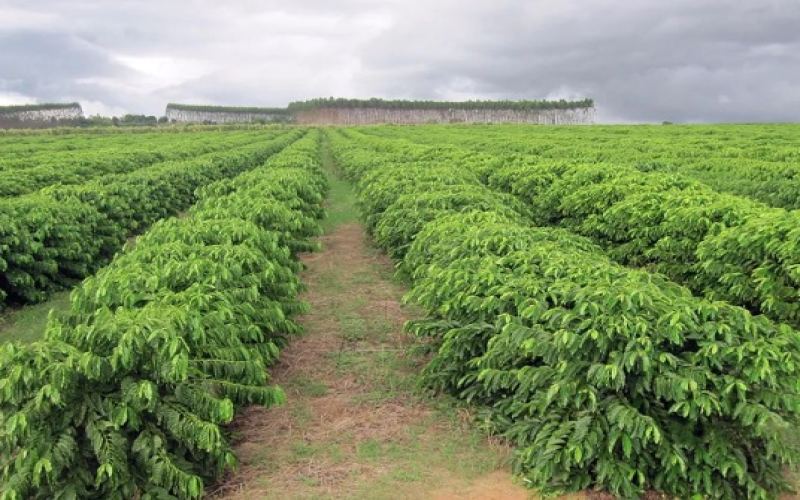
Introduction to the Brazilian yellow Bourbon variety of coffee beans.
Brazilian coffee holds an important position in the global coffee market, as Brazil is the largest coffee producer and exporter in the world, and its coffee exports account for one-third of the world's coffee exports. Brazil Brazil is the fifth large [more…]
A Complete Analysis of Brazilian Coffee Flavor Characteristics, Major Producing Regions, and Variety Grading: From Bourbon to Pulped Natural Processing
Brazil is one of the top three coffee-producing and exporting countries in the world. Its coffee is known for a balanced, smooth profile with nutty and chocolatey notes. Although it is not as distinctive as Indonesian Mandheling or Ethiopian Yirgacheffe, it represents a cup of "authentic coffee." From the perspective of Front Street Coffee, this article systematically reviews Brazil's main coffee varieties (Bourbon, Mundo Novo, Catuai), four core producing regions (Minas Gerais, Sao Paulo, Bahia, Espirito Santo), its unique pulped natural processing method, and the rise of specialty coffees such as Queen's Farm. It also analyzes how Brazil's flat terrain affects flavor and compares it with high-altitude Colombian coffee. Whether you are a coffee enthusiast or a professional in the industry, you can gain an understanding of the underlying logic and quality potential of Brazilian coffee. [more…]